Engineered for your success.
Four kinds of clients with four very different financial lives. What they share is complexity that generic advice is not built to handle. Each path has its own lifecycle, and we plan for every stage of it: the same standard of care, the same engineering discipline, and the right blueprint for wherever you are.
Complex compensation deserves more than a portfolio.
Complex compensation engineered into one coordinated plan. A blueprint for every decision on the way up.
Early Equity
The first grants vest, and the tax surprises start.
- Vesting and exercise strategy
- The expensive early mistakes, avoided
Peak Earning Years
Top brackets, concentrated employer stock, and no time to manage either.
- Diversification of concentrated positions
- Year-round tax planning
- Insurance only where it closes a real gap
The Inflection
A startup offer, a partnership, a sale of equity, a sabbatical.
- The after-tax outcome of the decision, modeled before you have to make it
Independence
Work becomes optional.
- Asset location and Roth conversions
- Estate coordination
- An income plan built around whatever you choose next
What you walk away with.
Four different paths, one standard of care. Whichever blueprint is yours, these are the deliverables behind it.
A written financial plan
The first document that coordinates every financial decision in your life into one coherent strategy.
A Financial Action Checklist
Specific, prioritized steps, so nothing important is left undone.
Quarterly meetings
A standing agenda that keeps the plan current with your life.
Continuous professional coordination
We work directly with your CPA and attorney throughout the year, so nothing falls through the cracks.
Qualifications built for this kind of complexity.
A tailored blueprint is only as good as the team drawing it. Every client works with advisors whose designations were earned for exactly the situations on this page.
 Jermaine Carter · CFBS, MSFS, AEP®Founder & Retirement Income Specialist
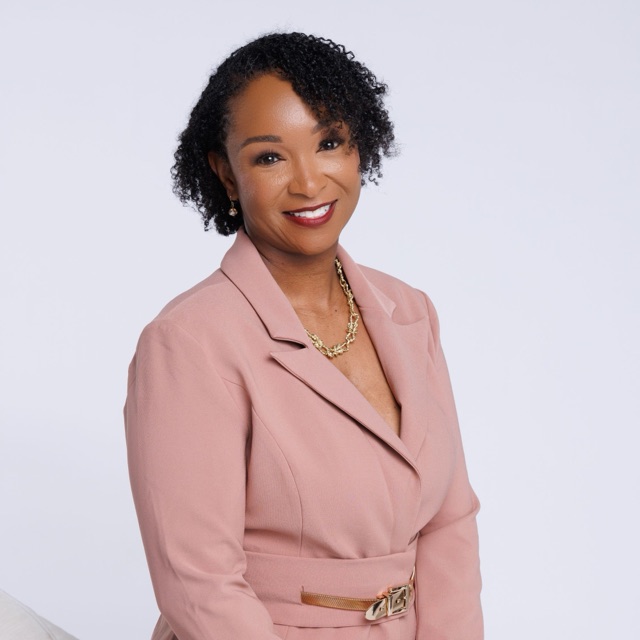 Selena Teasley · CFP®, RICP®Wealth Management Advisor
 Dominik Yates · CFP®Wealth Management Advisor
 Errin EllingtonWealth Management Associate
Client assets are custodied at Altruist and Charles Schwab.
- CFP®
- Certified Financial PlannerComprehensive planning across every client profile
- MSFS
- Master of Science in Financial ServicesAdvanced planning for complex balance sheets
- AEP®
- Accredited Estate PlannerEstate coordination and wealth transfer
- CFBS
- Certified Family Business SpecialistFamily and closely held business owners
- RICP®
- Retirement Income Certified ProfessionalIncome design for retirees and pre-retirees
Questions from clients like these
Direct answers to the questions each of these paths tends to raise. Anything more personal belongs in a first conversation.
The hardest part is starting the conversation. We’ll take it from there.
Tell us where you are and what’s worrying you. We’ll ask questions, listen, and tell you honestly whether we can help.
- Legally bound to act in your interest
- Fee-based planning with transparent, plain-English costs
- Investments, tax, retirement, and estate coordinated under one roof
- A 45-minute first conversation, with no obligation
Prefer to speak directly? Skip the form and call us. No gatekeepers.
Call or Text (661) 487-1020